
The Story Behind Recovery Mode®
What He Built. What Broke. What Recovery Taught Him.
A deeper look at the leadership, pressure, loss, recalibration, and intentional rebuilding behind Brown Charité’s work.
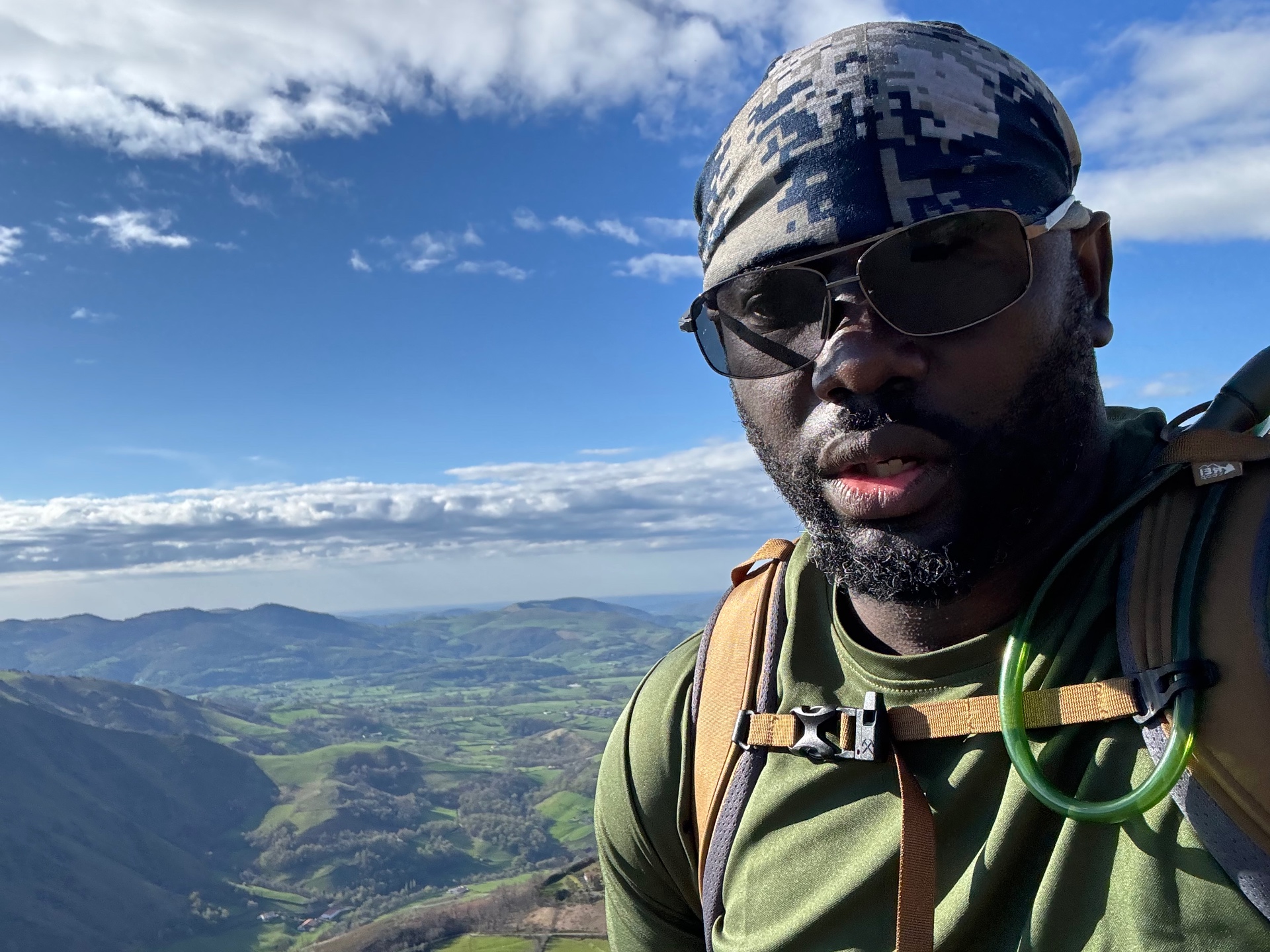
Section 1 · The Foundation
Entrepreneurial Roots and the Discipline to Build
Brown Charité was not born into the infrastructure of success. He was born into the grit that builds it.
He grew up watching his mother — the first entrepreneur he ever knew — set the standard in Belle Glade, Florida. Before dawn, around 4:00 or 5:00 a.m., she pushed a 300-pound shopping cart from home to a loading ramp. By day, she walked through the city selling clothes, carrying two 50-pound bags, one in each arm, with more garments hanging from her shoulders. She sold clothes off her back. She did not just run a business; she transferred a work ethic that shaped Brown and his siblings. That standard became the foundation Brown would later bring into his own leadership.
At the University of South Florida St. Petersburg, Brown and his team won two consecutive national Collegiate Entrepreneurs’ Organization championship titles — the first coming in only the second year of the entrepreneurship program. The discipline of competing, executing, and building under pressure stayed with him.
That foundation carried into 17 years as a CEO. Brown grew an operation that began in a 100-square-foot sunroom inside a mobile home into a three-building, 6,500-square-foot beauty estate on waterfront property. He built a 47-person team and operated an agency, salon, barbershop, and academy. The growth was not luck; it was the result of sustained execution, operational responsibility, and culture-building.
Section 2 · The Voice
The Voice He Had to Fight to Find
At seven years old, Brown began speech therapy for a struggle that made speaking in public feel like a fight. He completed two years of therapy, and when his speech therapist entered him into the 6th Annual Dr. Martin Luther King Jr. speaking competition, he stepped toward an opportunity he did not see coming.
He competed against 27 students — then delivered “Because My Mama Told Me So” before an assembly of parents, faculty, and students, the largest audience he had ever faced. He won second place. More importantly, he learned that the voice he had been ashamed of could become a strength.
That experience stayed with him. Today, Brown’s speaking is not about performance alone; it is about reaching people who are carrying pressure, hiding struggle, and needing language for what they are going through. He speaks to the person behind the title.
Section 3 · The Pressure
Leading While Bleeding
Public performance can continue while private capacity is deteriorating. Brown learned this from the inside.
Through a divorce that lasted three and a half years — and for two and a half of those years as a single father of an autistic son — he kept showing up. He served clients. He supported his team. He made decisions. He parented. But beneath the visible work, essential things were eroding — identity, clarity, relationships, and the internal alignment needed to sustain the life he was building.
That season exposed what many high-performing leaders discover too late: success on the outside does not guarantee health on the inside. Achievement can mask hidden drag. Communication can break down. Trust can fracture. And when the pressure finally demands attention, it often feels like it came from nowhere — even though it had been building for years.
Brown did not just go through a difficult season. He watched it reveal what had been running beneath the surface all along. And that revelation became the origin of Recovery Mode®.
Section 4 · The Recalibration
561 Miles to Hear Clearly Again
By then, Brown had not lost the ability to speak. He had lost the ability to hear his own voice beneath the wreckage, responsibility, and performance. He needed to find it again.
So he blocked out his calendar for 50 days, put down the phone, stepped away from the performance — and walked.
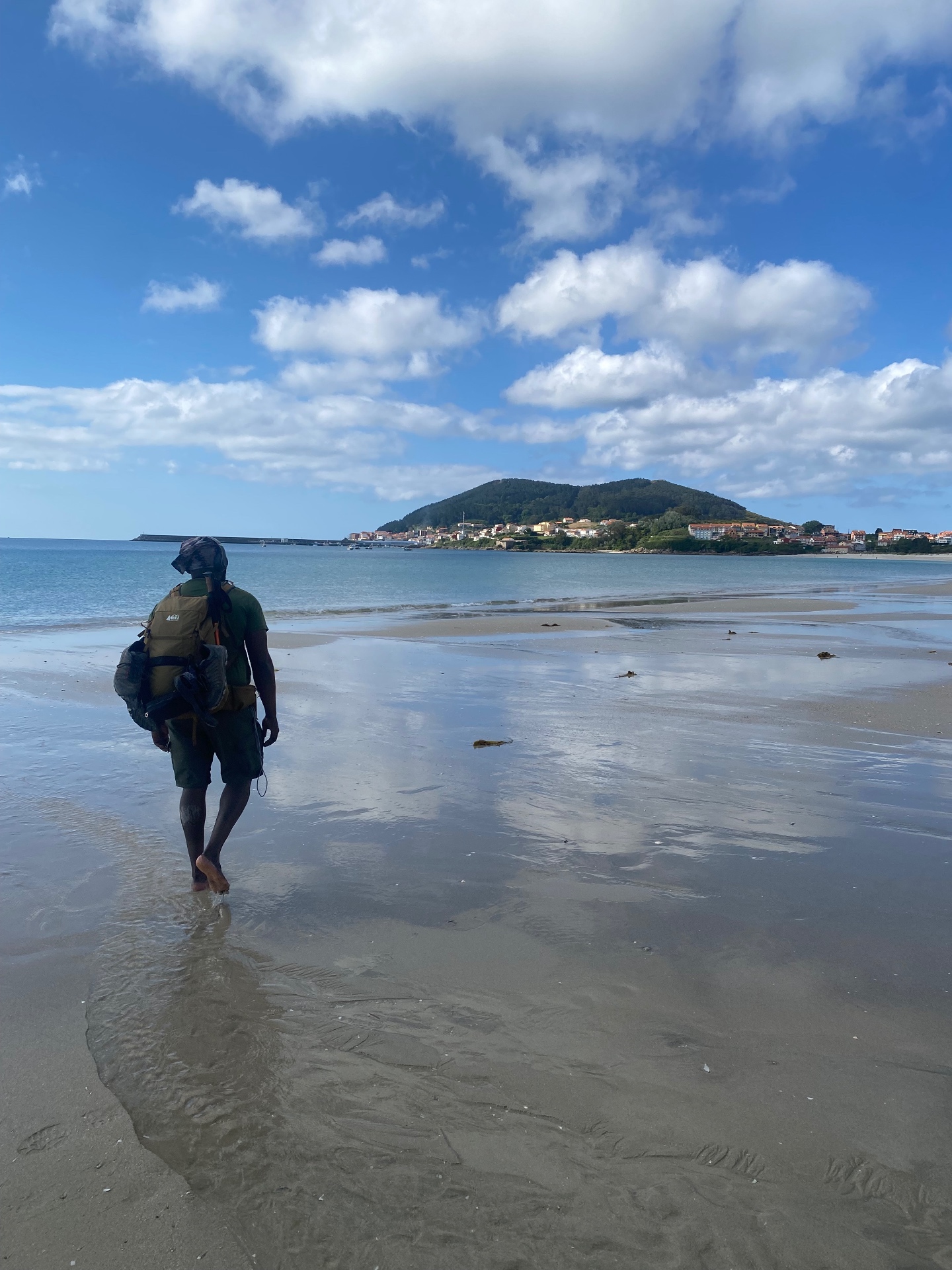
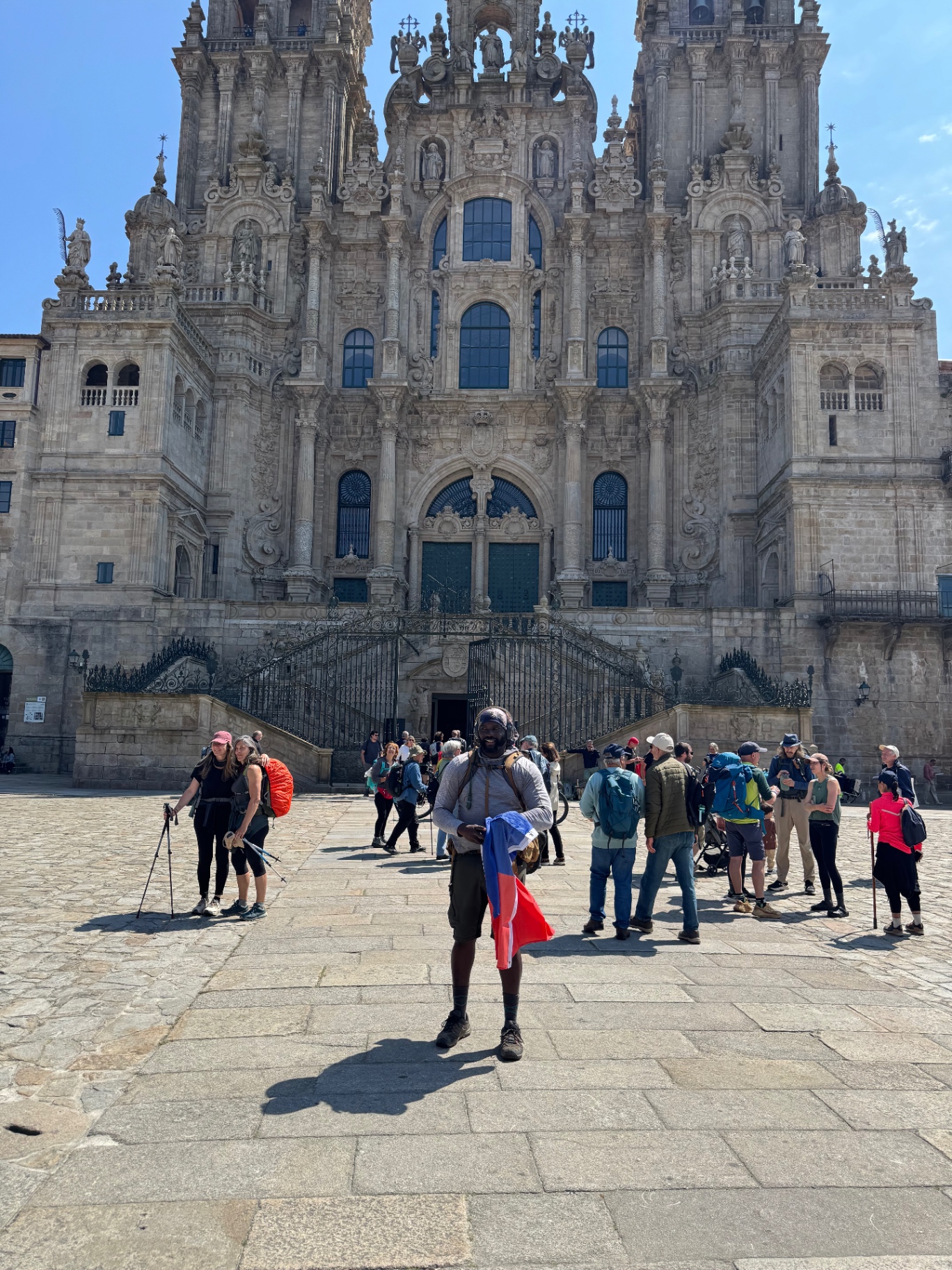
561 miles. From Saint-Jean-Pied-de-Port, France, to Finisterre, Spain, along one of the world’s oldest pilgrimage routes. Through hailstorms, mountain passes, and temperatures as low as –2°. Through terrain that had no regard for reputation, timeline, or what had been left behind.
He walked alone. He walked alongside strangers who became companions. He learned again what endurance, surrender, silence, and community feel like. He took the next intentional step, and then the next, until the steps became a practice of rebuilding trust with himself.
The Camino was not the source of everything Brown teaches. It was a major place of recalibration — a season that deepened, clarified, and sharpened the Recovery Mode® body of work. It helped him hear clearly again. And what he heard became part of what he now shares with others.
"The road doesn't ask what you've built. It asks who you've become along the way."
Section 5 · The Rebuilding
Recovery Is Not Going Back. It Is Rebuilding Forward.
Brown came back from the Camino different. Not simply healed — rebuilt. And rebuilding, he discovered, requires a different set of tools than building the first time.
The first time you build, you often build for achievement. The second time, if you are paying attention, you build for alignment, sustainability, and truth.
Recovery is not about returning to the person or system that existed before the crisis. It is about coming back to yourself and rediscovering who you were always meant to be — then doing the intentional work to rebuild forward with greater honesty, alignment, discipline, relational awareness, and intentionality. Internal validation must come before external performance: identity and purpose have to be established before visible execution can be trusted.
Recovery Mode® teaches people to address what is beneath the surface — the hidden pressure, the unresolved loss, the broken trust, the depleted capacity — and to restore clarity, trust, and sustainable performance. It is not a list of frameworks. It is a way of returning to the work and the relationships that matter, on purpose.
Section 6 · The Mission
Helping People and Organizations Recover Alignment and Become Who They Were Always Meant to Be
Today Brown Charité serves leaders, teams, organizations, universities, churches, and mission-driven communities. His work is built around a single question: What has pressure been taking from you, and what would it take to recover it?
Keynotes create awareness and language. Workshops, leadership development, coaching, consulting, and the Executive Camino Reset turn that awareness into application. Recovery Mode® is the flagship book, framework, and ecosystem tying the work together.
The mission is not merely to build success. It is to help people and organizations confront hidden pressure, recover alignment, rebuild trust and capacity, and move forward intentionally. Brown’s standard is simple: Does the work still hold up on Monday morning, when the event is over and the real work begins?
"We're too grown not to be intentional." — Brown Charité